
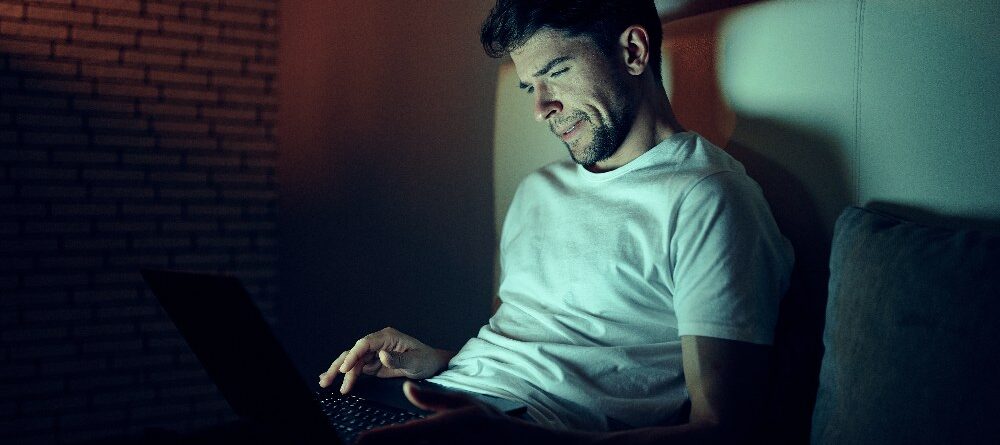
Like Most Addictions, Porn Starts In The Teen Years And Progresses Into Adulthood
For many young men, pornography was not something they intentionally searched for in the beginning. It often appeared first through a social media feed, a shared link, a pop-up, or an accidental click. What started as curiosity during childhood quickly became, for some, a private habit that followed them into adolescence and adulthood.
Now, many of those same young men are speaking openly about the emotional, relational, and psychological toll it has taken—and why they want out.
How Porn Addiction Typically Begins in Adolescence
The rise of smartphones and unlimited internet access changed the landscape for an entire generation. Previous generations may have encountered pornography through magazines or hidden videos. Today, explicit content is available instantly, privately, and endlessly. Many boys are exposed long before they are emotionally mature enough to process what they are seeing.
Why Early Exposure Affects Brain Development
This early exposure matters. Childhood and adolescence are critical stages of brain development. The parts of the brain responsible for judgment, impulse control, emotional regulation, and long-term decision-making continue to develop well into the mid-twenties. When highly stimulating content becomes linked with pleasure and escape during these years, patterns can form quickly.
When Pornography Becomes a Coping Mechanism
For some young men, pornography became more than entertainment. It became a coping tool.
Many describe turning to it when they feel lonely, anxious, rejected, bored, stressed, or emotionally overwhelmed. In these cases, pornography is often less about sex and more about relief. It offers a temporary escape from uncomfortable emotions. But when the relief fades, shame, guilt, and emptiness often remain—leading the person back to the same behavior for comfort. This cycle can become deeply ingrained. Hence, the cycle of addiction. Like most addictions, porn addiction usually begins during the teenage years and progresses into adulthood.
Signs of Compulsive Pornography Use in Young Men
Some young men report spending hours a day consuming explicit content, struggling to stop despite promising themselves they would. Others describe feeling distracted, emotionally numb, or disconnected from real relationships. Many carry intense shame because they believe they are the only ones dealing with it.
How Porn Use Affects Dating, Intimacy, and Relationships
The impact often extends into dating and intimacy. When sexual expectations are shaped primarily by pornography, real-life connections can feel confusing or disappointing. Some men report difficulty being emotionally present, unrealistic expectations of partners, or problems with arousal in real relationships. Others recognize that repeated exposure changed the way they viewed women—seeing them more as objects than people.
Not everyone who views pornography experiences these outcomes. But for those who do, the consequences can be serious and painful.
Why More Young Men Are Speaking Out
One of the biggest shifts happening today is that men are finally talking about it. Online recovery communities, support groups, podcasts, therapists, and peer networks have created spaces where men can speak honestly without judgment. For many, hearing someone else describe the same struggle is the first moment they realize they are not alone. That sense of connection matters. Shame thrives in secrecy. Recovery often begins when secrecy ends.
What Recovery from Porn Addiction Actually Looks Like
Healing from compulsive pornography use is rarely just about “trying harder.” It usually requires understanding how the behavior has been affecting the person emotionally. If pornography has become a response to stress, trauma, loneliness, or anxiety, then removing it without building healthier coping tools leaves the deeper problem untouched.
Recovery often includes:
- Learning emotional awareness
- Setting digital boundaries
- Reducing triggers
- Building real-world relationships
- Exercising regularly
- Finding meaningful hobbies
- Seeking therapy when needed
Accountability from trusted peers or support groups can also make a powerful difference.
Guidance for Parents: How to Respond Without Shame
For parents, this issue deserves thoughtful attention rather than panic or punishment. Many children are exposed earlier than families realize. Open conversations about sexuality, consent, media literacy, and emotional health are far more effective than shame-based reactions. A child who has seen pornography does not need condemnation—they need guidance.
There Is Hope: Reclaiming Identity and Connection
There is hope in the fact that so many young men are now seeking change. They are asking difficult questions about identity, relationships, and what real connection looks like. They are choosing growth over secrecy and honesty over isolation.
For many, the goal is not simply to stop watching porn. It is to reclaim their attention, rebuild intimacy, restore self-respect, and discover who they are without it.
Where to Find Experienced, Compassionate Help
Pornography use can have serious emotional, relational, and behavioral consequences—but effective help is available. At R&A Therapeutic Partners, we offer specialized support to help individuals regain control and build healthier lives. Our services include recovery coaching and monitoring, substance use and mental health evaluations, and customized outpatient treatment programs. We work with teens, college students, adults, and anyone struggling with compulsive or problematic pornography use. Contact us today to begin the path toward healing, balance, and a more fulfilling future.
At R&A Therapeutic Partners Raymond Estefania and Ana Moreno specialize in substance use and mental health disorder evaluations, treatment, intervention and therapeutic/educational consulting for clients throughout the greater South Florida area, as well as nationally and internationally. For more resources and information, please visit Therapeutic-Partners.com or on Facebook.
At R&A Therapeutic Partners Raymond Estefania and Ana Moreno specialize in substance use and mental health disorder evaluations, treatment, intervention and therapeutic/educational consulting for clients throughout the greater South Florida area, as well as nationally and internationally. For more resources and information please visit Therapeutic-Partners.com or on Facebook.