Understanding the Brain in Addiction and Recovery: What Science Tells Us
Addiction isn’t just a matter of willpower—it’s a complex brain disease that changes the way the brain functions. Thanks to advances in neuroscience, researchers are uncovering how addiction alters neural pathways, how substances hijack the brain’s reward system, and how recovery can restore brain function over time. Here’s a closer look at the latest findings
3 Key Points About the Brain and Addiction
1. Addiction Changes the Brain, Just Like Other Chronic Diseases
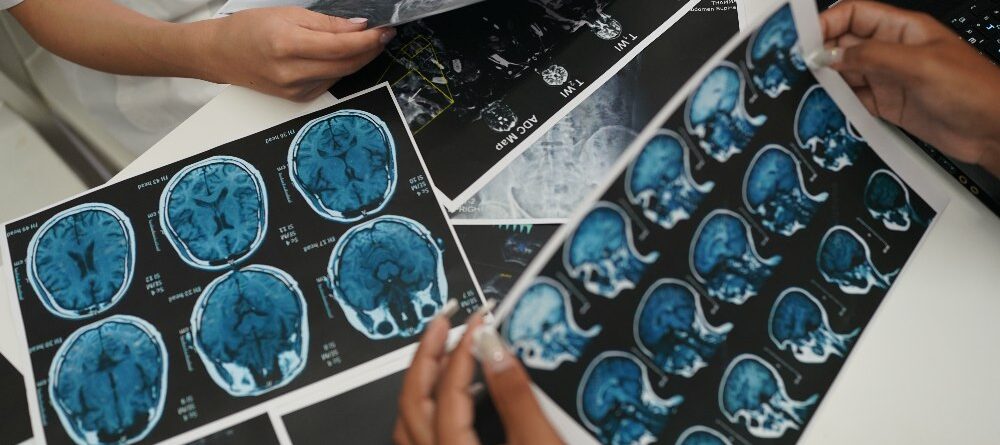
Addiction shares many characteristics with other chronic illnesses. Just as cardiovascular disease can damage the heart, addiction alters the brain and impairs its normal functioning. Brain imaging scans allow scientists to measure activity in different regions.
In addiction, the prefrontal cortex—responsible for decision-making, judgment, and impulse control—is often affected. This can explain why individuals struggling with substance use disorders may find it difficult to resist cravings or make choices aligned with long-term goals.
The good news: like other chronic diseases, addiction is preventable and treatable, though untreated addiction can produce long-lasting biological changes.
2. Substances Hijack the Brain’s Reward System
The brain’s reward system motivates us to seek pleasure and survival behaviors. Everyday activities like eating dessert or playing games release dopamine, a chemical messenger that signals pleasure in the nucleus accumbens, the brain’s “pleasure center.”
Addictive substances—such as nicotine, alcohol, and opioids—trigger far more dopamine than natural rewards, and they do so more quickly and consistently. This creates a shortcut to pleasure, reinforcing repeated substance use.
Over time, the brain becomes less sensitive to dopamine, a process known as tolerance. This means substances no longer provide the same pleasure, leading individuals to use larger amounts more frequently. Meanwhile, the drive or “wanting” of the drug often increases even as the “liking” decreases.
As a result, people with substance use disorders may continue using despite negative consequences because their brains have been rewired to view the substance as necessary to feel normal.
3. The Brain Can Recover, But It Takes Time
Recovery isn’t just about stopping substance use—it’s about giving the brain a chance to heal. Research shows that the brain can recover over time. For example, studies of individuals recovering from methamphetamine use disorder reveal that after one month of abstinence, brain activity is reduced compared to healthy controls, but after 14 months, brain function approaches normal levels.
For alcohol and cannabis, research is still emerging. Adolescents who became abstinent from alcohol showed improvements in behavioral control and emotional regulation, suggesting prefrontal cortex recovery. Similarly, longer periods of abstinence were linked to better executive functioning and increased brain matter volume.
While some studies show minimal recovery, others indicate that abstinent cannabis users may experience improvements in cognitive and executive functioning. Factors such as physical exercise may enhance recovery by promoting neuroplasticity, helping the brain adapt and repair damaged pathways. Exercise can improve cerebral blood flow, white matter integrity, and executive control, potentially enhancing the brain’s ability to heal after substance use.
The Takeaway
Addiction fundamentally changes the brain, but it is not permanent. Recovery—through abstinence, therapy, lifestyle changes, and supportive interventions—can restore brain function and improve quality of life. Neuroscience continues to uncover new strategies to support recovery, offering hope for individuals and families affected by substance use disorders.
Understanding addiction as a brain disease, rather than a moral failing, is the first step toward compassion, effective treatment, and long-term recovery.
At R&A Therapeutic Partners, we understand the nuance required for in-depth mental health treatment. Our comprehensive array of services helps you to address unhealthy coping mechanisms, break free from addiction, and live a full, happy life. To learn more about our approach to counseling for substance use disorder, contact our office today. We look forward to speaking with you.
At R&A Therapeutic Partners, Raymond Estefania and Ana Moreno specialize in substance use and mental health disorder evaluations, treatment, intervention, and therapeutic/educational consulting for clients throughout the greater South Florida area, as well as nationally and internationally. For more resources and information, please visit Therapeutic-Partners.com or on Facebook.
At R&A Therapeutic Partners Raymond Estefania and Ana Moreno specialize in substance use and mental health disorder evaluations, treatment, intervention and therapeutic/educational consulting for clients throughout the greater South Florida area, as well as nationally and internationally. For more resources and information please visit Therapeutic-Partners.com or on Facebook.